



 Real-World Applications

TP MedTech’s 3D spatial multi-omics platform is being adopted across the real-world applications of basic science, diagnostics, and drug development.
We start from real needs and deliver practical solutions for every application.
1.Basic Research: Reliable Structures as
the Foundation of Spatial Omics
Researchers can perform multi-dimensional labeling and spatial analysis within intact, continuous tissues. This provides a higher-precision and more complete data foundation for applications such as disease mechanism studies and atlas construction.
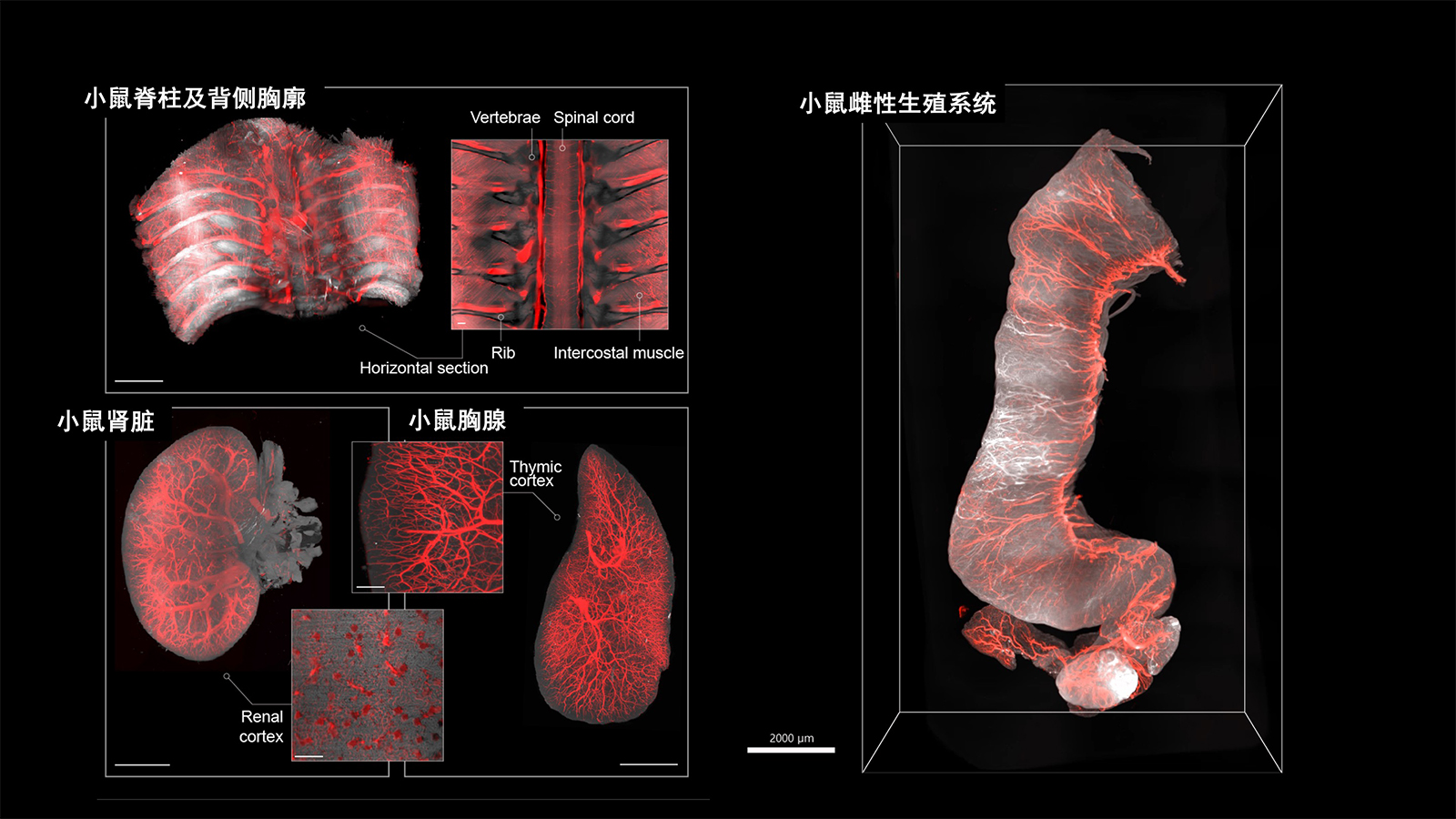
VIVIT enables whole-organ 3D analysis across diverse and com
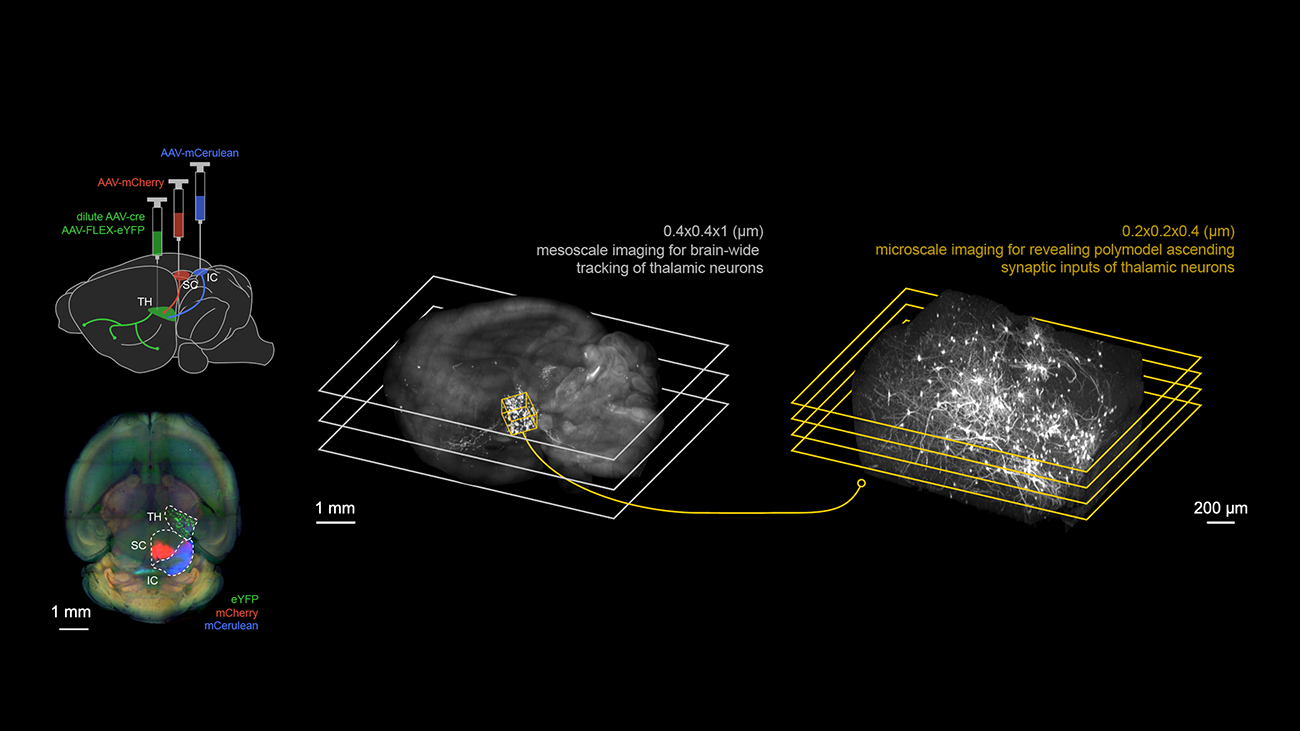
VIVIT maps thalamic neuron outputs and synaptic inputs acros
2.Clinical Diagnostics: Rich 3D Information as the Basis for Precision Pathology
By presenting lesion morphology, tissue hierarchy, and infiltration boundaries in 3D, our platform offers clinicians comprehensive structural information to support precision pathology.
Combined with TP MedTech’s 3D-AI models, the platform enables advanced tasks such as lesion detection, spatial subtyping, recurrence prediction, and therapeutic evaluation. These models have already been prototyped in gliomas, lung cancer, and lymphomas, and preclinical studies are being carried out in collaboration with leading hospitals to support more precise and intelligent clinical diagnostics.
Combined with TP MedTech’s 3D-AI models, the platform enables advanced tasks such as lesion detection, spatial subtyping, recurrence prediction, and therapeutic evaluation. These models have already been prototyped in gliomas, lung cancer, and lymphomas, and preclinical studies are being carried out in collaboration with leading hospitals to support more precise and intelligent clinical diagnostics.
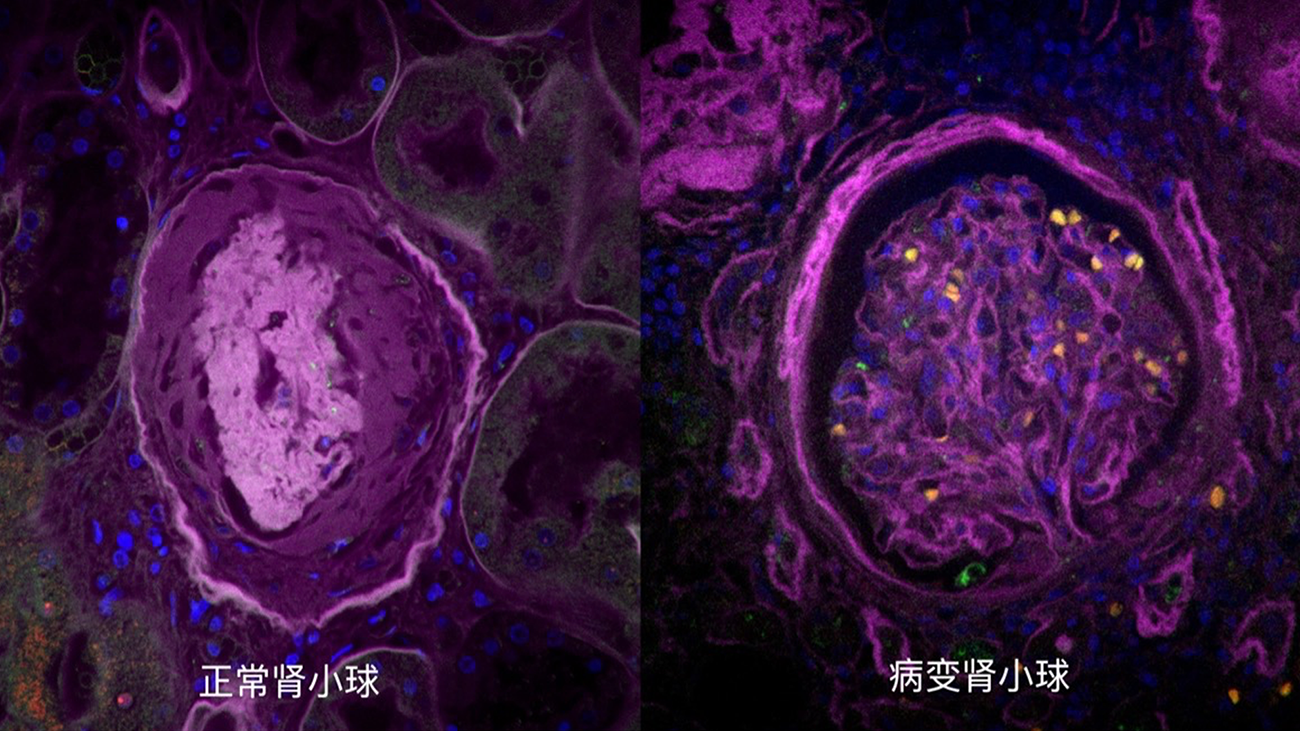
VIVIT reconstructs renal disease lesions in clinical samples
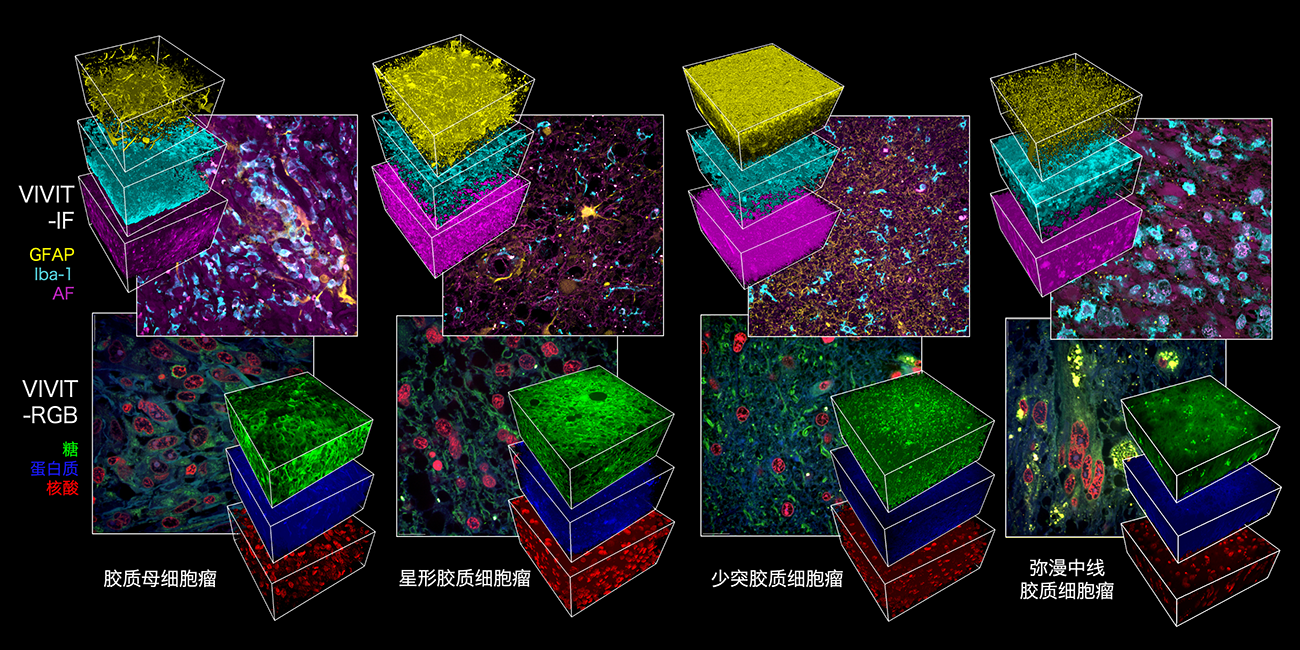
A 3D spatial glioma database built from VIVIT-generated data
3.Drug Development: Precisely Mapped Targets as the Key to Efficiency
Our platform overcomes the blind spots of traditional 2D pathology, shifting the evaluation paradigm from single-marker expression to functional 3D microenvironments, improving the success rate of first-in-class drug discovery.
-
Pinpoint Hidden TargetsReveal spatial expression networks of proteins and nucleic acids within intact 3D tissue environments, uncovering rare targets, cross-cell interaction targets, and microenvironment-dependent targets that 2D methods cannot capture.
-
Validate Target BiologyUse multimodal co-localization analysis to directly observe target activity states, interaction partners, and pathway transmission in pathological tissue, avoiding distortions caused by in vitro models.
-
Accelerate Target-Disease AssociationApply 3D-AI models to compare diseased and normal tissues, quantifying target heterogeneity, layer-specific distribution, and progression dynamics, thereby providing evidence for mechanism validation.
-
Reduce Clinical Translation RiskCapture 3D response patterns of pharmacodynamic markers without disrupting tissue architecture, enabling accurate prediction of targeting efficiency, off-target effects, and resistance-associated microenvironments, and providing differentiated evaluation dimensions for candidate molecules.
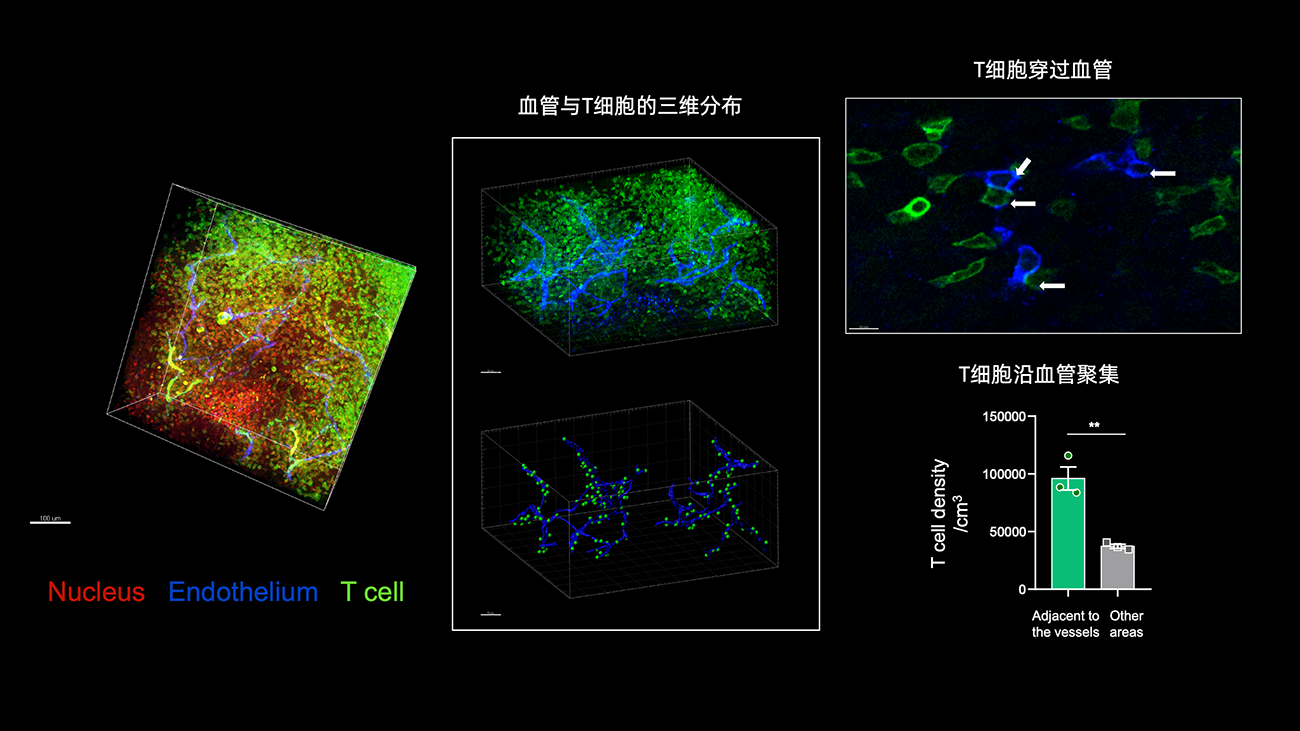
VIVIT tracks individual cells in 3D to evaluate CAR-T therap
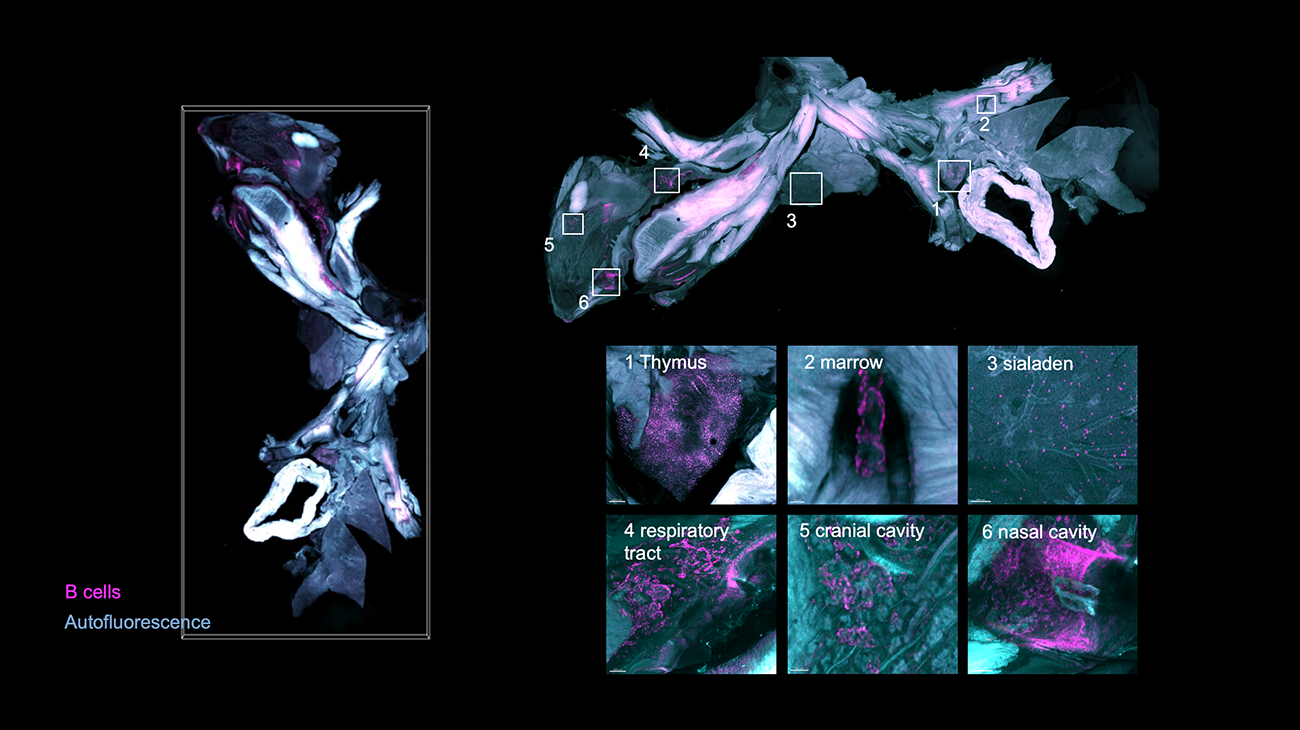
VIVIT visualizes immune responses to COVID-19 vaccines in 3D