
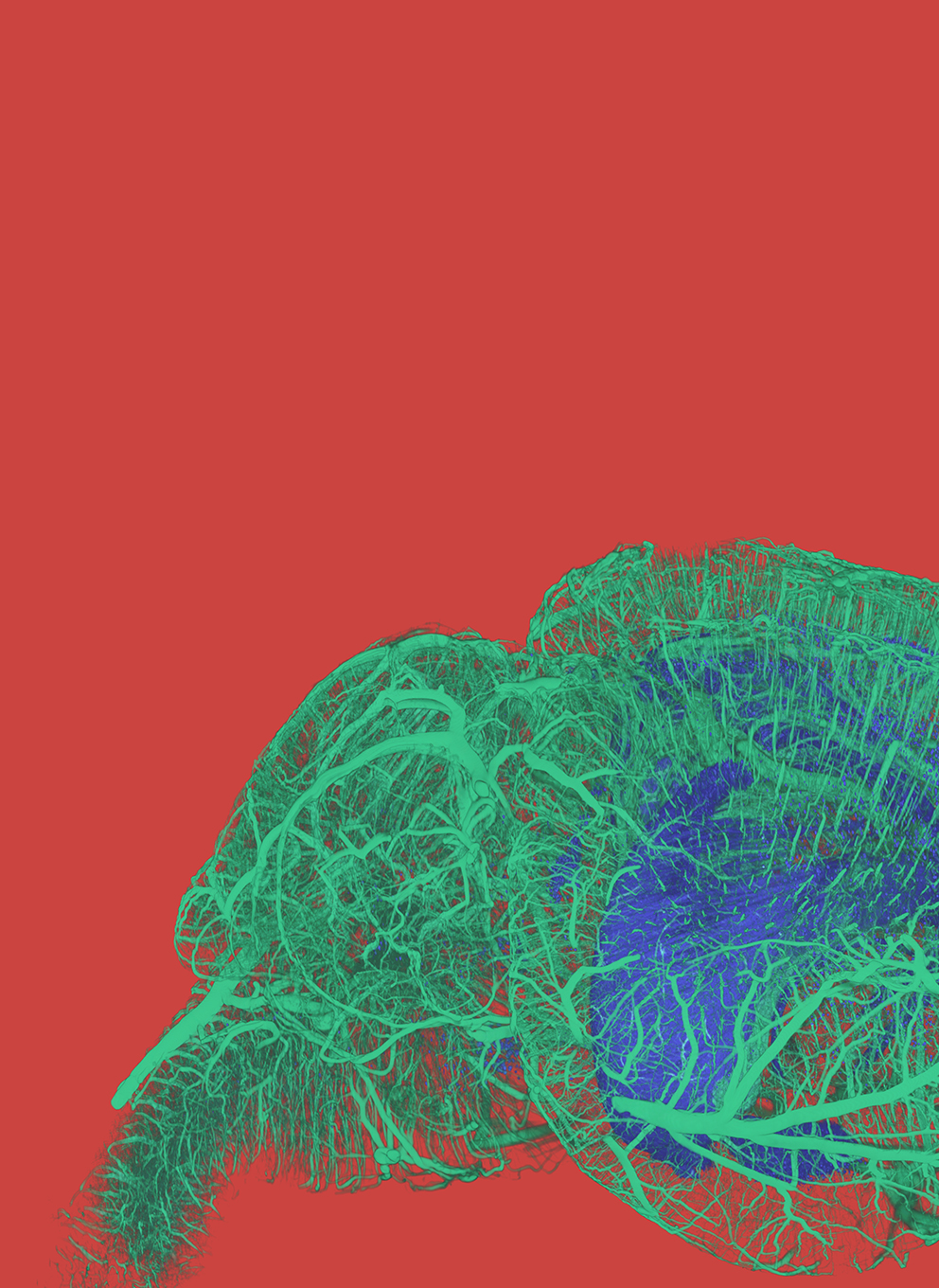
Beyond 2D slices, shaping the future of 3D spatial biology
Every breakthrough here stems from our systematic innovations in tissue processing and 3D-AI modeling.
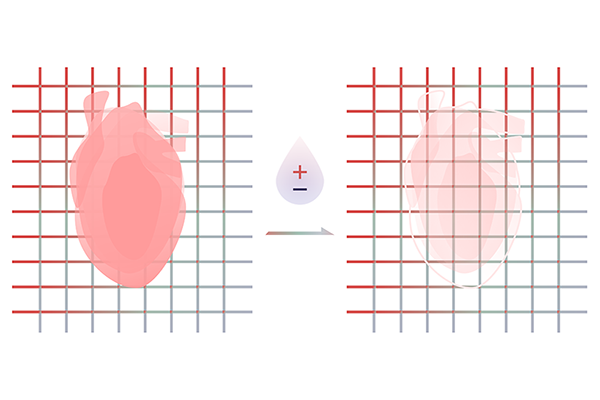
Pioneering optical clearing that preserves native 3D form
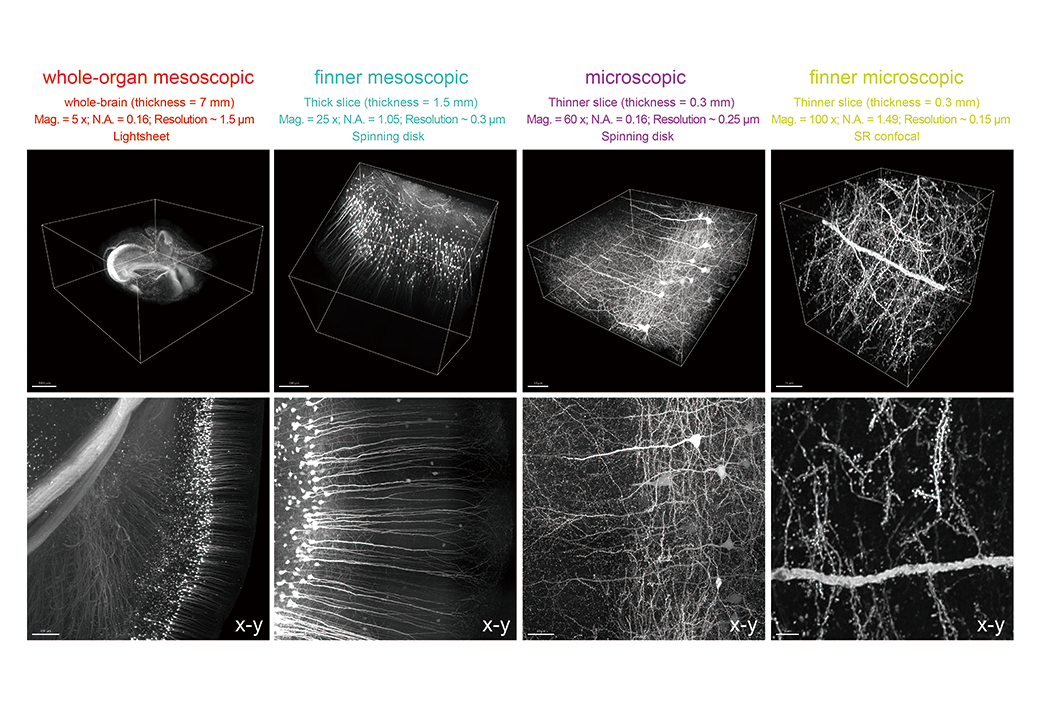
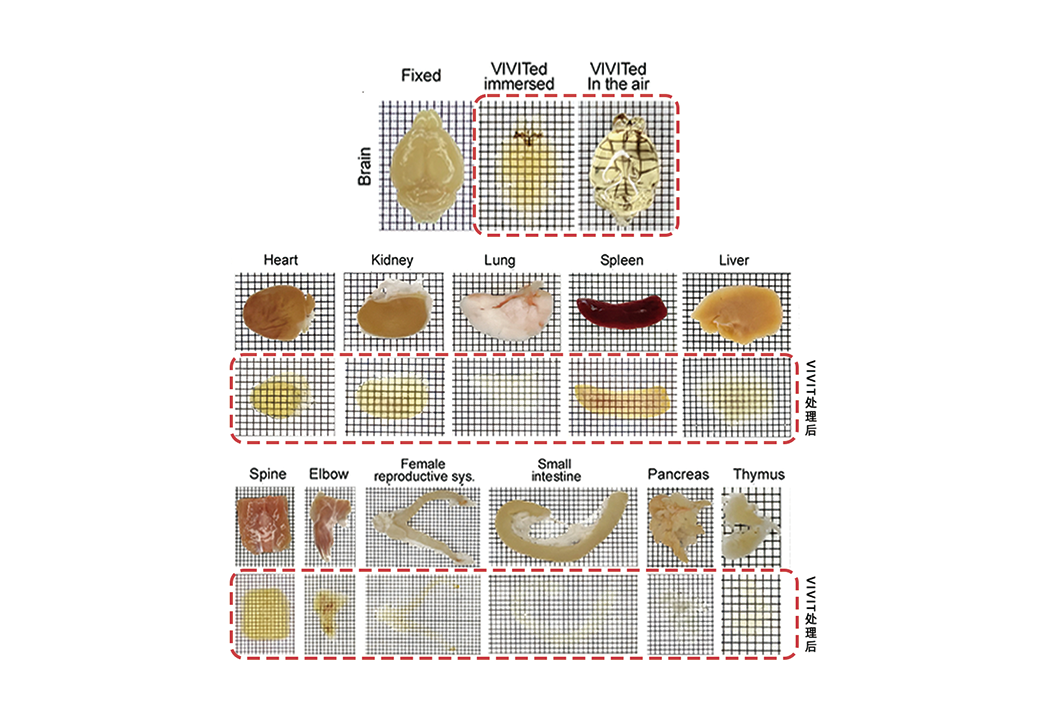
Our ionic liquid–based technology clears tissues without swelling or shrinkage, keeping structures true to life and enabling nanometer-scale imaging.
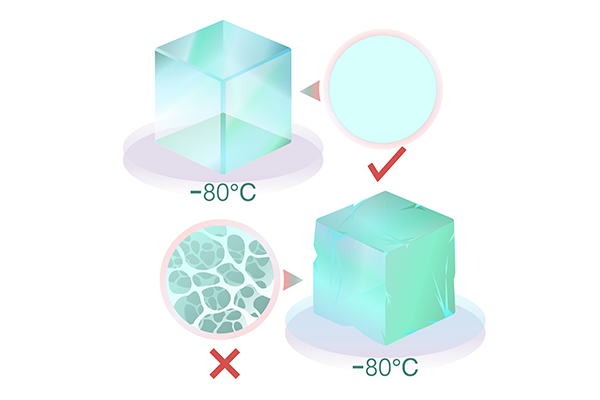
First-ever glassy cryopreservation, enabling stable reuse
For the first time, biological tissues can be preserved in a crystal-free glassy state at low temperatures. They remain stable through repeated freezing and thawing, and are reusable for staining and multi-round imaging.
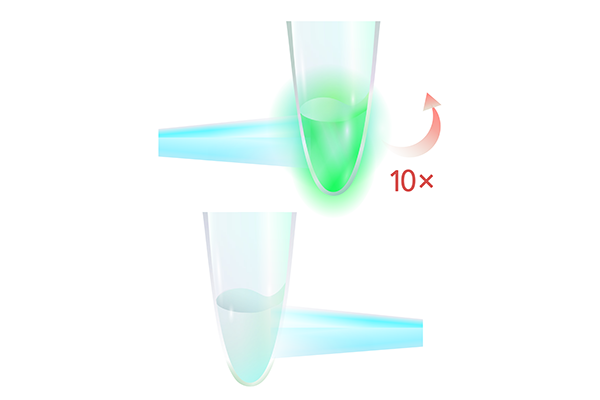
Enhancing fluorescence imaging to better resolve faint signals
Through optical regulation, ionic liquids amplify immunostained and endogenous fluorescence, increasing image brightness and contrast for precise detection of weak molecular markers.
Self-developed multimodal 3D labeling system for comprehensive spatial insights
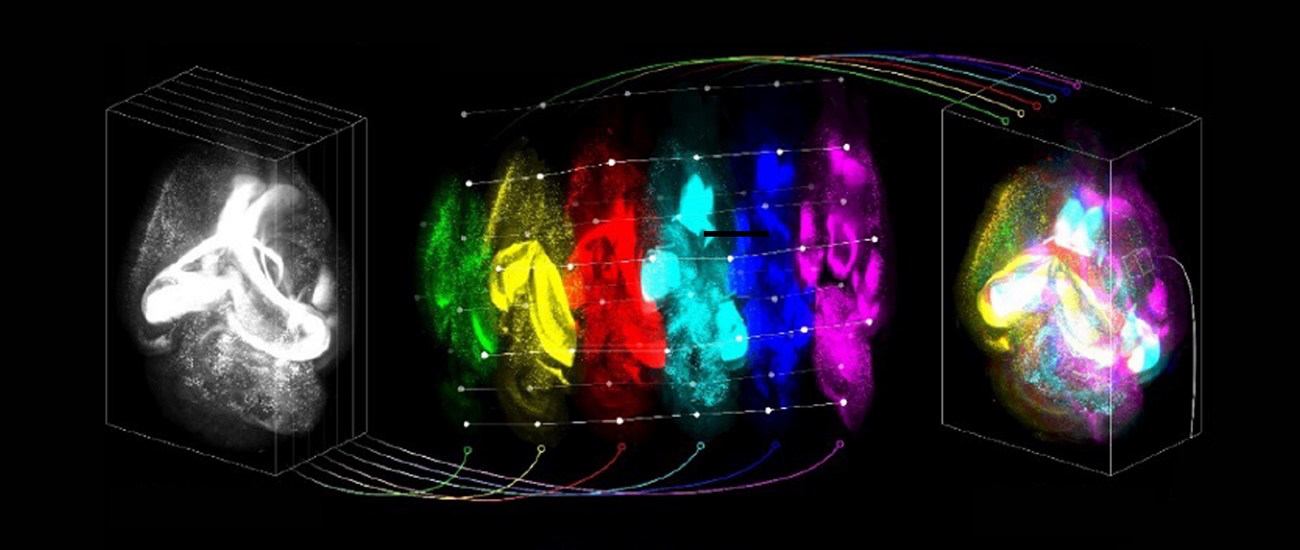
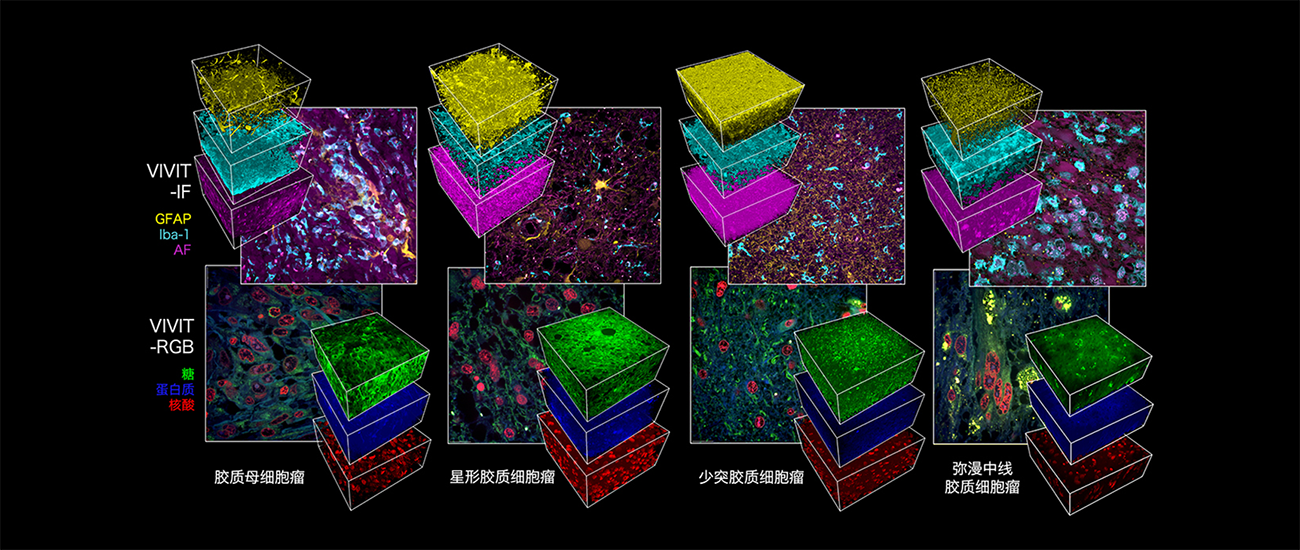
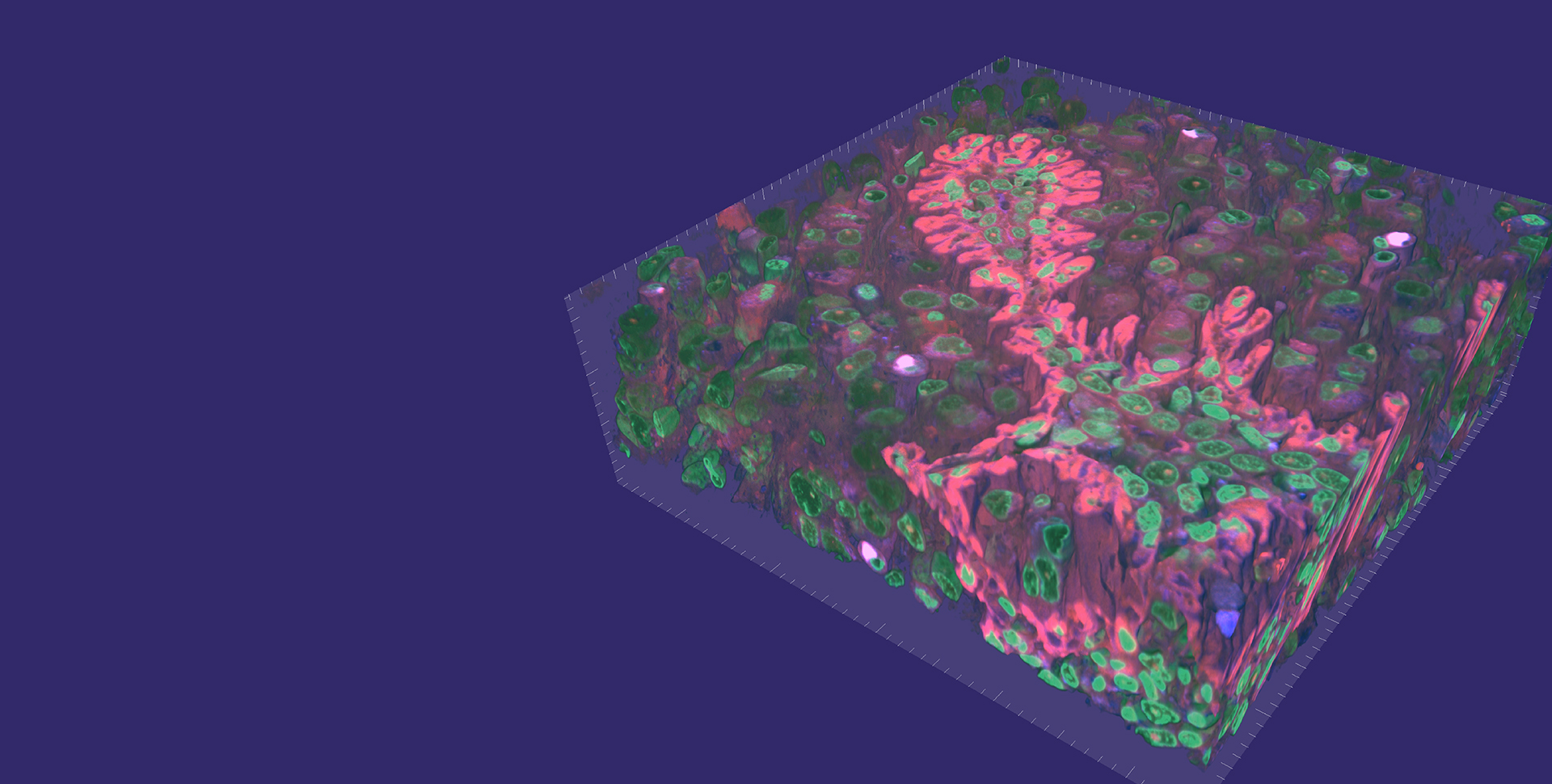
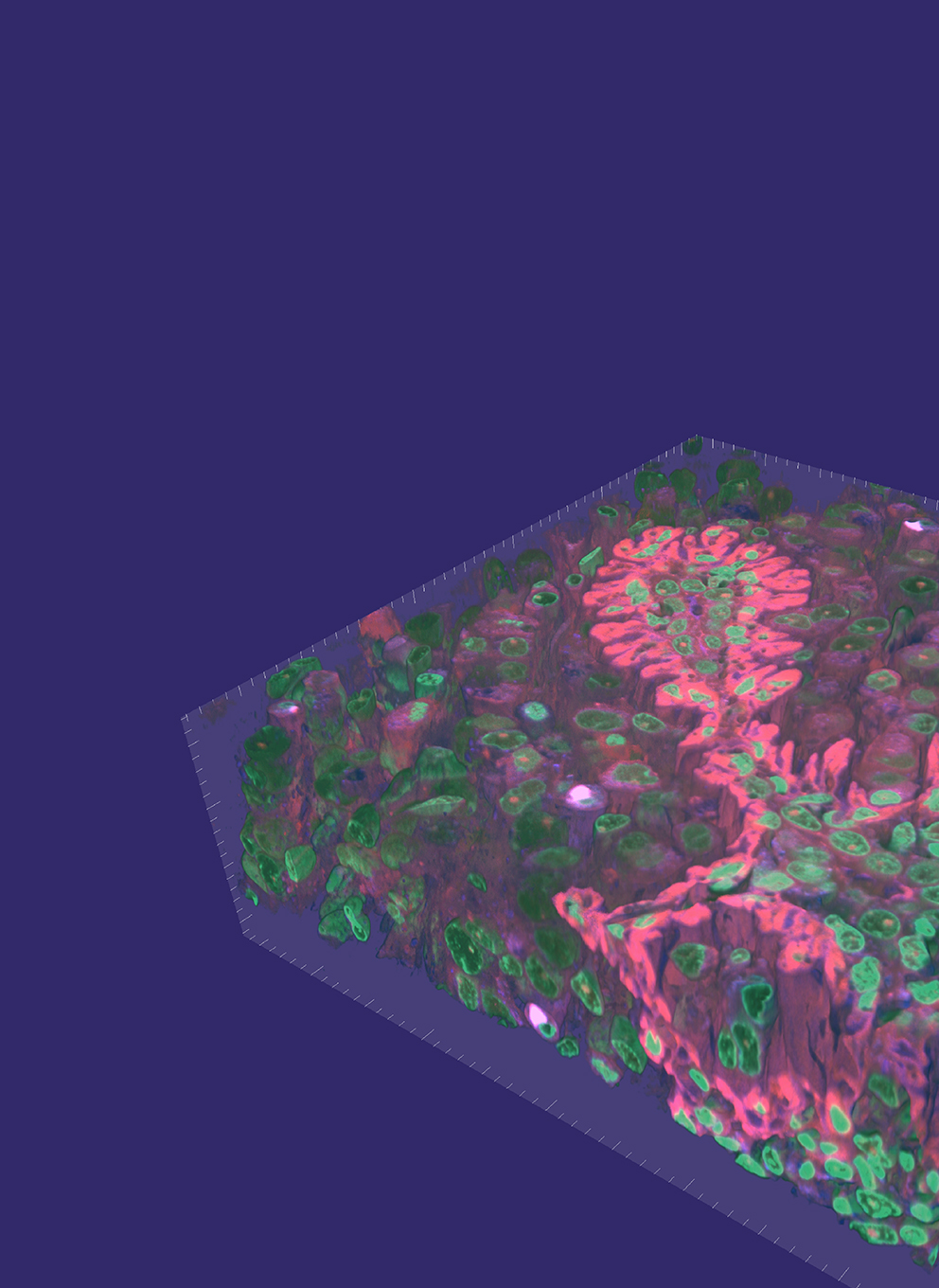
Our self-developed multimodal 3D labeling system can simultaneously label diverse molecular markers, generating morphological and proteomic 3D data from the same tissue, advancing high-precision spatial analysis.
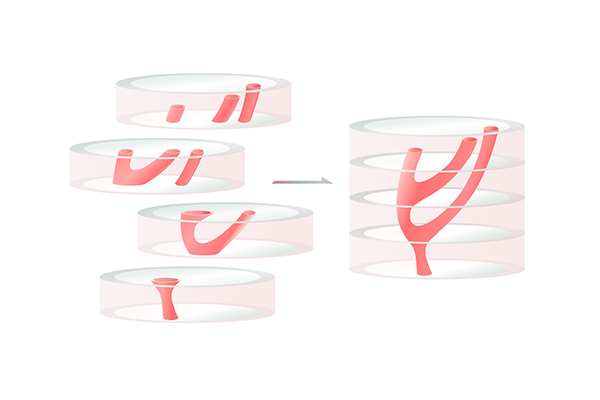
Our own cross-scale reconstruction algorithm, restoring panoramic 3D views
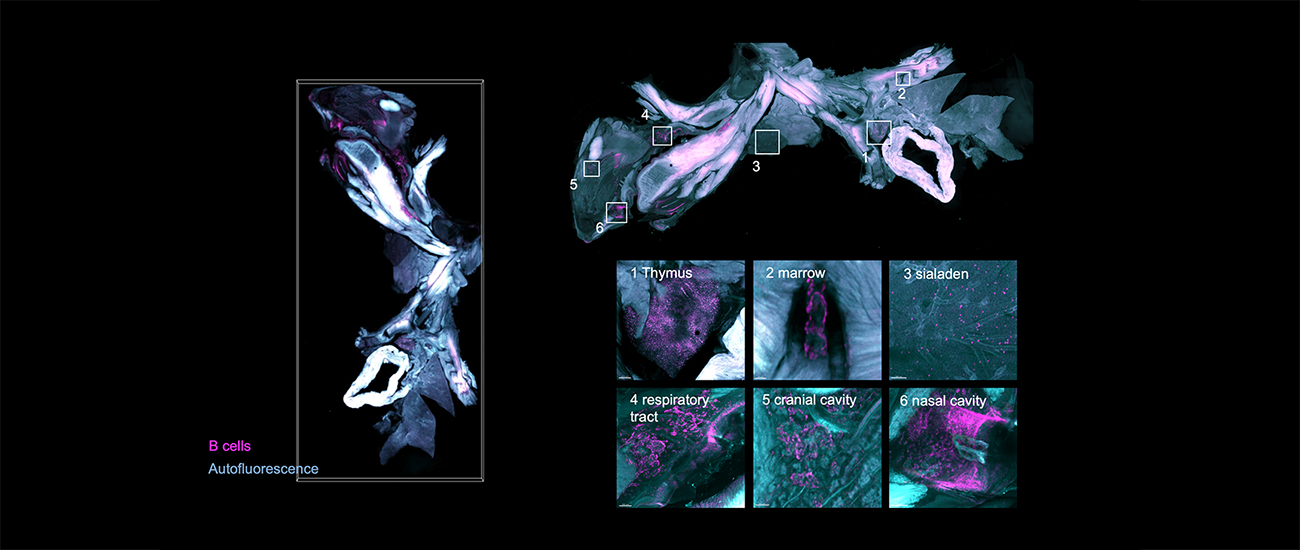
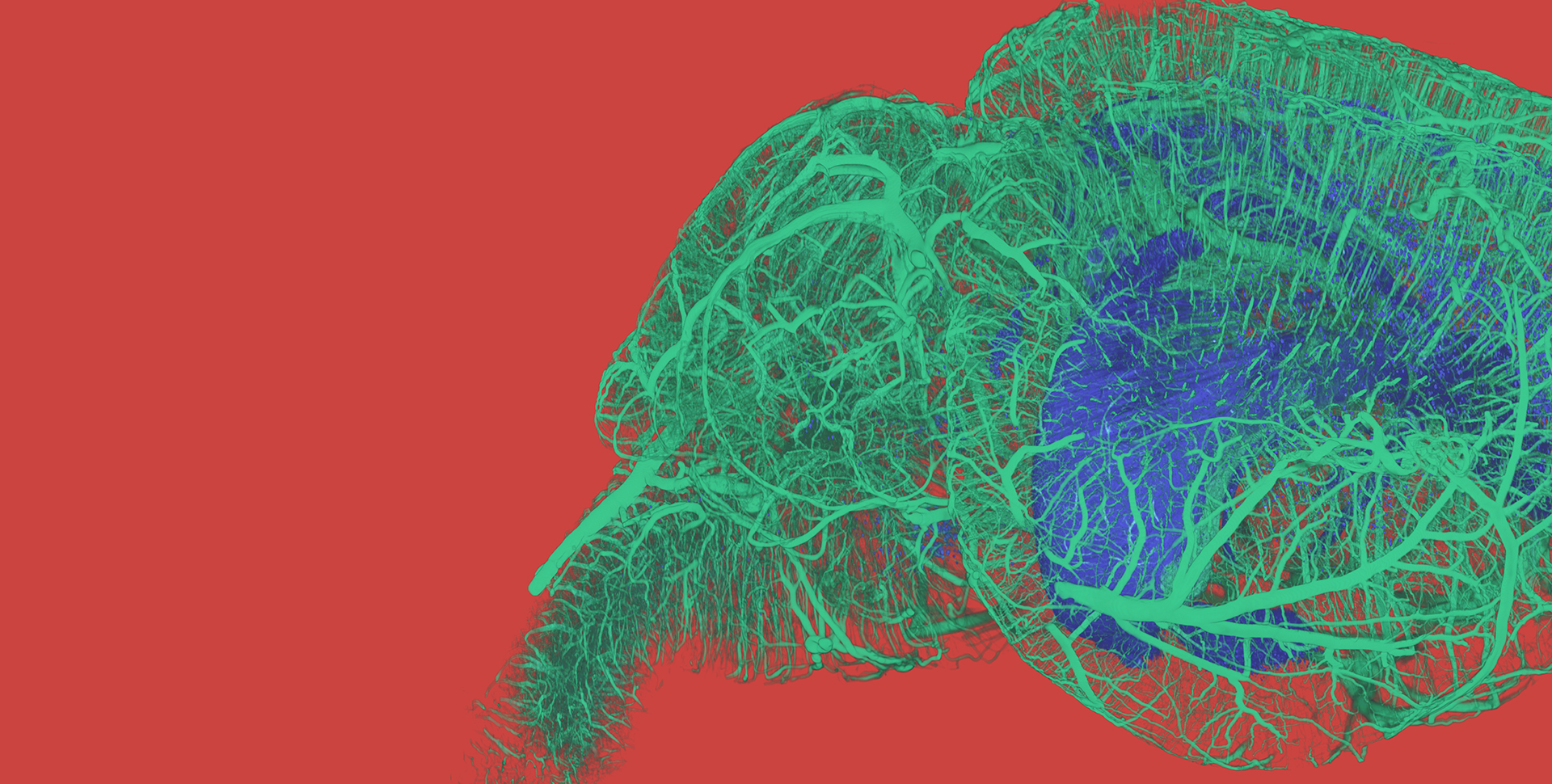
Our algorithm accurately stitches and realigns raw 3D images in space, enabling the construction of larger-scale panoramic views. This expands the information capacity of a single sample by orders of magnitude, achieving a leap in scale.
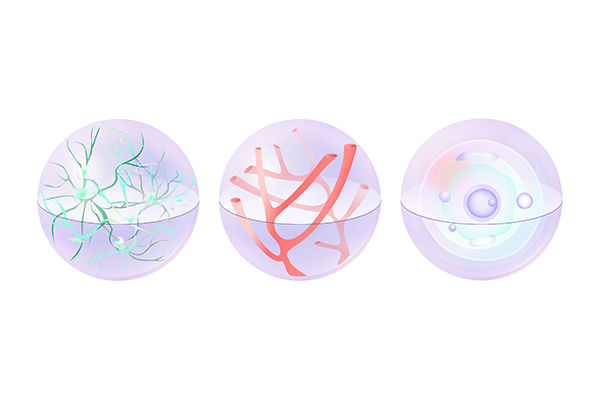
Independently developed 3D-AI pathology models, empowering clinical diagnosis
With the high-quality 3D data, we can train and build accurate 3D-AI models with minimal samples. These models support critical clinical needs such as disease grading and classification, prognosis prediction, and drug efficacy evaluation.